
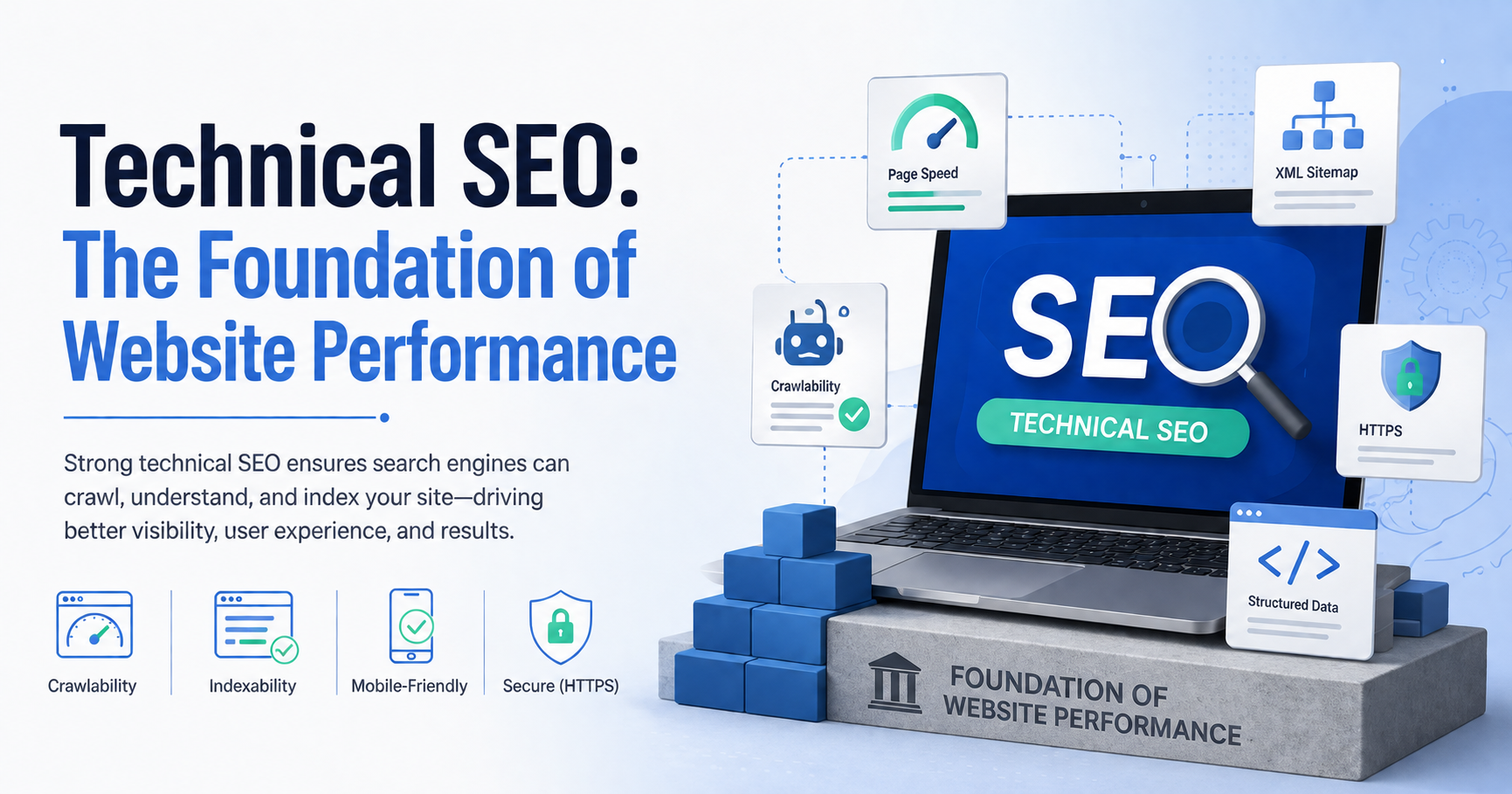
Technical SEO focuses on optimizing the backend structure of a website so search engines can crawl, index, and rank pages efficiently. While quality content and backlinks are important, technical SEO ensures that your website is accessible, fast, and easy for search engines like Google to understand.
One of the most important aspects of technical SEO is website speed. A fast-loading website improves user experience, reduces bounce rates, and helps achieve better rankings. Optimizing images, enabling browser caching, minimizing CSS and JavaScript files, and using a Content Delivery Network (CDN) can significantly improve loading times.
Mobile-friendliness is another essential ranking factor. Since Google uses mobile-first indexing, your website should display correctly on smartphones, tablets, and desktops. Responsive web design ensures a seamless experience across all devices.
Technical SEO also includes creating and submitting an XML sitemap, maintaining a clean robots.txt file, and fixing crawl errors. These elements help search engines discover and index important pages efficiently. Using canonical tags prevents duplicate content issues, while structured data (Schema Markup) helps search engines understand your content and can improve visibility with rich results.
Website security is equally important. Installing an SSL certificate enables HTTPS, protecting user data and increasing trust. Regularly checking for broken links, redirect errors, and server issues also helps maintain a healthy website.
Monitoring Core Web Vitals, including Largest Contentful Paint (LCP), Interaction to Next Paint (INP), and Cumulative Layout Shift (CLS), ensures your website provides an excellent user experience. Strong technical SEO creates a solid foundation for higher search rankings, better website performance, and long-term organic growth.